
News
Fishing Safety Tips: Essential Practices Every Angler Should Know
Sep
Part 1: Understanding the Importance of Fishing Safety
Introduction: Why Safety Matters as Much as Catching Fish
Fishing is often romanticized as a calm, carefree hobby. People imagine a quiet lake at dawn, a gentle cast, and the thrill of reeling in a fish. While these moments are real, what often goes unnoticed is the underlying importance of safety. Every year, accidents occur on lakes, rivers, and coastlines because anglers overlook simple safety rules. From sudden weather changes to sharp hooks and unpredictable wildlife, fishing is full of hidden risks.
Ignoring safety can turn what should be a joyful trip into a nightmare. On the other hand, by adopting safety practices, anglers not only protect themselves but also create a secure environment for their friends and families. Safety does not take away the adventure; it makes the adventure sustainable and worry-free.
Risks and Hazards in Fishing
Fishing may not seem dangerous compared to extreme sports, but the hazards are very real. These risks can be grouped into a few major categories:
Water-Related Risks
Drowning is the number one danger. Falling overboard or slipping from shorelines can happen quickly, especially when currents or deep water are involved.
Cold water shock can incapacitate even strong swimmers within minutes.
Weather-Related Risks
Sudden storms bring strong winds, heavy rain, and lightning.
Hot, sunny days cause dehydration, sunburn, or heatstroke.
Cold, windy days increase the risk of hypothermia.
Equipment-Related Risks
Hooks and knives can puncture or cut skin.
Fishing rods conduct electricity—extremely dangerous in storms.
Heavy tackle and lead weights can cause bruises or injuries.
Wildlife-Related Risks
Insects like mosquitoes and ticks spread diseases.
Snakes, alligators, or bears can pose real threats in certain regions.
Fish themselves (such as catfish with spines or stingrays) can injure careless anglers.
Recognizing these risks is the first step toward managing them.
Basic Safety Rules for All Anglers
Regardless of skill level or fishing location, some rules are universal:
Wear a life jacket whenever fishing from a boat or near deep water.
Tell someone your plan—where you’ll be fishing and when you’ll return.
Check weather forecasts before leaving home.
Keep your phone in a waterproof case for emergencies.
Handle hooks and knives with caution, keeping them covered when not in use.
Stay hydrated and protected with water, sunscreen, and proper clothing.
Following these simple rules can prevent the majority of fishing accidents.
The Role of Preparation
Preparation is the unsung hero of fishing safety. Many problems arise not during the act of fishing itself but because anglers set out unprepared.
Gear Checks
Inspect rods and reels for damage before use.
Ensure lines are not frayed and hooks are secure.
Check boat engines, oars, or paddles for reliability.
Weather Checks
Always review multiple forecasts.
Look for sudden shifts in wind direction or darkening skies.
Remember that water amplifies weather effects—conditions can worsen faster than expected.
Location Planning
Study maps of the area. Know where shallow spots, deep holes, and strong currents are located.
Identify safe entry and exit points along shorelines.
Carry a compass or GPS if exploring remote areas.
Being prepared transforms potential emergencies into manageable inconveniences.

Personal Safety Gear Every Angler Should Carry
Some gear is non-negotiable when it comes to fishing safely. A responsible angler always packs:
Life Jackets (PFDs): Choose Coast Guard–approved jackets, properly fitted.
First Aid Kit: Include bandages, antiseptic wipes, tweezers, and pain relievers.
Protective Clothing: Hats, polarized sunglasses, gloves, and breathable clothing guard against sun and injuries.
Footwear: Non-slip, water-resistant shoes or boots prevent falls and provide support.
Emergency Tools: Flashlights, whistles, pocketknives, and multi-tools.
Communication Devices: Waterproof phone cases, radios, or personal locator beacons for remote trips.
These essentials might seem like extra weight, but they provide peace of mind that’s worth far more than convenience.
Stories Where Safety Made the Difference
Safety isn’t just theoretical. Real-world examples highlight its importance:
Saved by a Life Jacket: A kayaker flipped in cold water while fishing alone. He was able to float and re-enter his kayak because he wore a life jacket. Without it, hypothermia would have set in before rescue arrived.
Storm Awareness: A group of shore anglers noticed distant lightning and left early. Minutes later, the storm unleashed heavy rain and dangerous winds. Their choice to leave likely prevented serious accidents.
Prepared First Aid: An angler accidentally drove a hook deep into his hand. With a first aid kit and knowledge of the string-pull method, he removed it safely and avoided infection.
On the other side, tragic stories exist where simple precautions—like life jackets or storm checks—were ignored, and lives were lost. These lessons remind us that safety is not optional.
Building a Mindset of Awareness and Responsibility
Fishing safely is not about fear—it’s about respect. Respect for water, for weather, for wildlife, and for the tools we use. Developing a safety mindset means constantly asking questions:
Is my gear secure?
What’s the weather forecast for the next few hours?
Am I visible to boaters or others nearby?
Do I know what to do if something goes wrong?
This mindset grows naturally over time, especially if beginners adopt it early. Experienced anglers can pass down these habits to newcomers, ensuring the culture of fishing remains safe and welcoming.
Conclusion of Part 1
Fishing safety is not a side note—it is the foundation of every successful trip. By understanding the risks, following basic rules, preparing thoroughly, carrying essential gear, and adopting a mindset of responsibility, anglers protect not only themselves but also the people who join them.
The joy of fishing is amplified when you know you’re safe. The water becomes a place of peace, not danger. Each cast becomes more enjoyable because you’re confident, prepared, and mindful.
Fishing is, at its heart, about connection and renewal. Safety ensures that these connections remain positive, turning every trip into a memory worth keeping.
Part 2: Practical Safety Guidelines for Every Fishing Scenario
Introduction: From Theory to Practice
Understanding that fishing has risks is important, but applying safety knowledge to real-world situations is where it truly counts. Whether you are standing on a quiet pier, drifting on a boat, or wading waist-deep in a fast river, each environment comes with its own set of hazards. Knowing how to respond appropriately can mean the difference between a perfect day outdoors and a dangerous incident.
This section will walk through common fishing scenarios—boats, shorelines, wading waters, changing weather, handling equipment, and even unexpected encounters with wildlife. By mastering these practices, anglers ensure that every cast is as safe as it is exciting.
1. Safety on Boats
Fishing from boats offers access to deeper waters and larger fish, but it also introduces unique risks.
Life Jackets Are Non-Negotiable
Always wear a properly fitted, Coast Guard–approved life jacket.
Do not just store it on board; accidents happen too quickly to put one on in the water.
Stability and Movement
Avoid standing suddenly or leaning too far over the side.
Distribute weight evenly—gear on one side and people on the other increases tipping risk.
Only allow as many people as the boat’s capacity rating permits.
Anchoring and Positioning
Never anchor from the stern (back) of the boat; waves can swamp it.
Drop anchor from the bow (front) to maintain stability.
Emergency Protocols
Carry a whistle or horn to signal distress.
Keep a fire extinguisher, throwable flotation device, and first aid kit on board.
File a “float plan”—tell someone where you’ll be fishing and your expected return time.
Boat fishing offers incredible opportunities, but safety lapses on the water are unforgiving.
2. Safety on Shorelines and Piers
Fishing from shore might seem risk-free, but slips, falls, and environmental hazards are common.
Avoid Slippery Surfaces
Wet rocks and algae-covered areas are extremely slick. Wear non-slip footwear with good traction.
Move cautiously and avoid running, especially when carrying sharp tools.
Be Aware of Crowds
Piers can be crowded with anglers casting lines in all directions.
Look behind you before casting to avoid hooking someone.
Respect personal space—give at least 10 feet between setups when possible.
Stay Clear of Edges
Do not stand too close to unstable banks or pier edges.
Avoid climbing onto structures not meant for fishing.
Tide and Current Awareness
On ocean piers or rocky shores, watch for rising tides and rogue waves.
Never turn your back to the ocean—unexpected waves can sweep anglers away.
Shoreline and pier fishing feel safe but demand vigilance, especially for families with children.
3. Safety While Wading
Wading into rivers or shallow flats allows anglers to get close to fish but exposes them to water’s hidden dangers.
Proper Footwear
Wear wading boots with felt or rubber soles to prevent slipping.
Avoid sandals or barefoot wading, which leave feet vulnerable to sharp rocks or shells.
Awareness of Currents
Even knee-deep water can knock a person off balance if the current is strong.
Shuffle feet slowly to maintain balance and detect drop-offs.
Use Wading Belts
A snug belt prevents water from rushing into waders if you fall, reducing drowning risk.
Avoid Overconfidence
Don’t venture too deep—waist-high water in rivers can quickly sweep you away.
Always wade with a partner when possible.
Wading requires respect for moving water. A cautious approach keeps it enjoyable and safe.
4. Weather Safety
Nature is unpredictable, and anglers must prepare for changing weather.
Storm Awareness
If you hear thunder, you are close enough to be struck by lightning. Leave the water immediately.
Lay fishing rods flat; carbon-fiber and graphite rods conduct electricity.
Heat Protection
Wear lightweight, long-sleeved clothing and a wide-brimmed hat.
Apply sunscreen every two hours, even on cloudy days.
Carry extra water and take breaks in shaded areas to avoid heat exhaustion.
Cold Weather Risks
Dress in layers to retain warmth and block wind.
Hypothermia can occur in cool water even when air temperatures are comfortable.
Pack dry clothing in a waterproof bag in case you get wet.
Weather safety is about humility—knowing when to walk away can save your life.
5. Handling Fishing Gear Safely
Fishing equipment is both useful and dangerous if misused.
Hooks and Lines
Always look behind you before casting.
Use hook covers or keep them embedded in cork or foam when not in use.
Remove deeply embedded hooks carefully—if in doubt, seek medical attention.
Knives and Tools
Keep knives sheathed when not in use.
Use pliers instead of fingers to remove hooks from fish.
Cut lines with scissors or line clippers, not teeth.
Rods and Reels
Do not swing rods around in crowded spaces.
Avoid high-sticking (bending rods excessively) which can cause breakage and injury.
Respect your gear; it’s designed to catch fish, not flesh.
6. Wildlife Encounters
Anglers often share their space with wild animals—respect and caution are key.
Snakes and Alligators
Stay alert in swampy or southern regions.
Never provoke or attempt to handle wild animals.
Back away slowly if one approaches.
Bears and Larger Predators
In remote areas, store food properly to avoid attracting wildlife.
Make noise when moving through brush to avoid startling animals.
Insects
Use insect repellent to prevent bites from mosquitoes and ticks.
Check for ticks after fishing in wooded or grassy areas.
Fish Hazards
Catfish spines and stingray barbs can puncture skin. Handle carefully with gloves or pliers.
Awareness ensures wildlife encounters remain thrilling memories, not medical emergencies.
7. Teaching Kids About Fishing Safety
Fishing is a wonderful family activity, but children require special attention.
Equip kids with life jackets at all times near water.
Give them barbless hooks to reduce injury risks.
Teach them to cast only in open areas.
Supervise closely—children move unpredictably near edges and gear.
Instilling safety habits early creates responsible anglers for life.
8. Final Reminder: Safe Fishing Equals Enjoyable Fishing
The ultimate point of fishing is enjoyment—relaxation, challenge, and bonding with nature. None of these are possible if safety is ignored. By wearing protective gear, staying aware of surroundings, respecting the weather, and practicing caution, anglers ensure that every outing ends with smiles instead of regret.
Safe fishing means more fish caught, more memories made, and more years of adventures to come.
Conclusion of Part 2
Fishing environments vary widely, from calm ponds to roaring surf, but the foundation of safety remains the same: preparation, awareness, and respect. Each scenario introduces unique risks, yet with knowledge and caution, those risks shrink dramatically.
By applying these practical guidelines—on boats, shorelines, rivers, and beyond—you’ll protect yourself, your companions, and the natural spaces you love. Remember, fish are replaceable, but your life and health are not.
Fishing is about joy, not danger. Safety ensures that joy lasts a lifetime.
Part 3: Building a Lifelong Culture of Safe and Responsible Angling
Introduction: Safety as a Legacy
Fishing is more than just a hobby—it’s a tradition passed from one generation to the next. Grandparents teach grandchildren how to bait a hook, parents share quiet mornings with kids on a lake, and friends bond while chasing elusive trophies offshore. What makes these moments unforgettable isn’t just the fish caught but the shared respect for nature, the environment, and one another.
Safety, therefore, is not just a checklist; it’s a culture. By consciously making safe choices every time we fish, we ensure that the tradition continues not just for us, but for everyone who joins us on the water.
1. Safety Is Respect—for Nature and for Each Other
At its core, fishing is about harmony. Anglers who prioritize safety show respect not only for their own lives but also for those around them. Casting without looking, leaving hooks exposed, or ignoring weather warnings doesn’t just endanger you—it puts friends, family, and even strangers at risk.
Respect also extends to the natural world. Staying safe means moving carefully through delicate ecosystems, avoiding damage to shorelines, and handling fish responsibly. A safe angler is often an ethical angler, one who leaves waters cleaner than they found them and teaches others to do the same.
2. Passing Safety Habits to the Next Generation
Children mimic what they see. If they watch adults carelessly leave rods with exposed hooks lying around or walk too close to unstable riverbanks, they’ll think it’s normal. But if they see their parents buckle life jackets, check weather reports, and handle gear carefully, they’ll carry those lessons for life.
Consider making safety a natural part of fishing stories. Instead of telling only about “the one that got away,” also share the time you avoided trouble by preparing properly—packing sunscreen, bringing enough water, or leaving before a lightning storm rolled in. When safety is presented as wisdom rather than restriction, kids embrace it with pride.
3. Community and Shared Responsibility
Fishing rarely happens in isolation. Lakes, rivers, and coastlines are shared spaces where many anglers gather. This makes safety a collective responsibility.
Look out for others: If you see someone fishing dangerously close to a drop-off, politely warn them.
Share resources wisely: Keep tackle boxes organized to avoid accidents in crowded spaces.
Respect personal space: Lines crossing and hooks tangling are not just annoying—they can cause injury.
Communities that practice shared responsibility build trust. When anglers look out for one another, accidents are reduced, and camaraderie grows.
4. Technology as a Modern Safety Tool
While fishing is often celebrated as a way to disconnect, modern technology can enhance safety when used wisely.
Weather apps provide real-time updates about storms, tides, and wind speeds.
GPS devices prevent anglers from getting lost on large lakes or offshore waters.
Emergency radios allow communication even where cell service is unreliable.
Of course, over-reliance on gadgets can create new risks, so anglers must balance traditional knowledge—like reading the sky or water—with modern tools. Used responsibly, technology extends the safety net.
5. Mental Preparedness and Patience
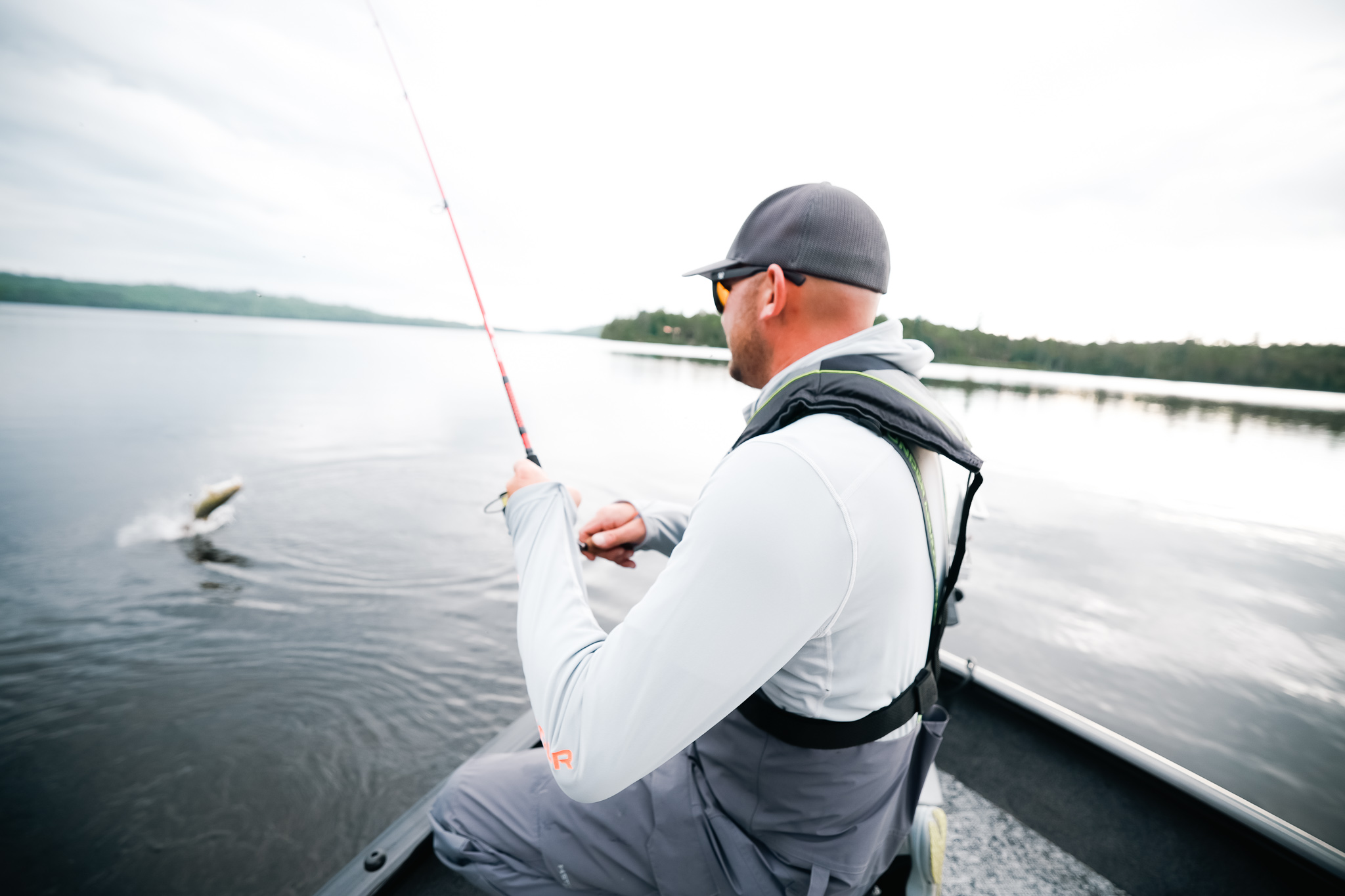
A safe angler is a calm angler. Panic in emergencies often leads to poor decisions. If a hook gets lodged in someone’s hand, rushing or yanking only makes it worse. If a storm approaches, denial and stubbornness can lead to disaster.
Fishing teaches patience, and that patience is a safety skill. Taking a breath, assessing the situation, and acting calmly transforms potential crises into manageable challenges. Mental preparedness also means knowing your limits—if you’re tired, dehydrated, or frustrated, it’s okay to call it a day.
6. From Hobby to Lifelong Well-Being
Safety in fishing does more than prevent injuries; it enhances the overall experience. Wearing protective clothing prevents painful sunburns. Carrying enough water keeps energy levels steady, allowing longer, more enjoyable outings. Handling gear carefully reduces stress and creates smoother, more focused fishing sessions.
The truth is simple: safe fishing is better fishing. It’s more comfortable, more rewarding, and more sustainable over the long term. An angler who takes care of their body, gear, and environment will be fishing joyfully for decades, not just a few seasons.
7. The Ripple Effect of Responsible Angling
Safe and responsible anglers set examples not only for family and friends but also for strangers watching from afar. A child walking past a pier may notice whether anglers are casting cautiously or carelessly. A fellow boater may learn from how you distribute gear and wear a life jacket.
These ripple effects matter. Every safe act normalizes responsibility and makes fishing culture stronger. When safety becomes second nature, it ceases to feel like a rulebook and instead feels like an identity—a mark of true expertise.
Conclusion: Safety as the True Catch
At the end of the day, the goal of fishing isn’t just filling a cooler with fish—it’s creating lasting memories, strengthening bonds, and embracing nature. Safety is what ensures those moments remain positive, repeatable, and worth sharing.
Think of safety as the true “catch of the day.” Fish may come and go, but the habits you build—checking your gear, respecting the weather, staying aware of surroundings, and teaching others to do the same—are the treasures that last forever.
The next time you head out with your rod, remember this: the water is generous, but it also demands respect. Approach every trip with preparedness, patience, and care, and you’ll enjoy not just more successful fishing—but a lifetime of safe adventures.
